A Realm for the Seekers
A Place to Understand Mental Health
Lore and Lobe
Psychotherapist • Award-Winning Neuroscience and Mental Health Author
A Realm for the Curious
A Place to Understand Neuroscience
Thank you, San Francisco Book Festival.
R. K. Compton received 5x finalist awards at the
2026 San Francisco Book Festival 🏆
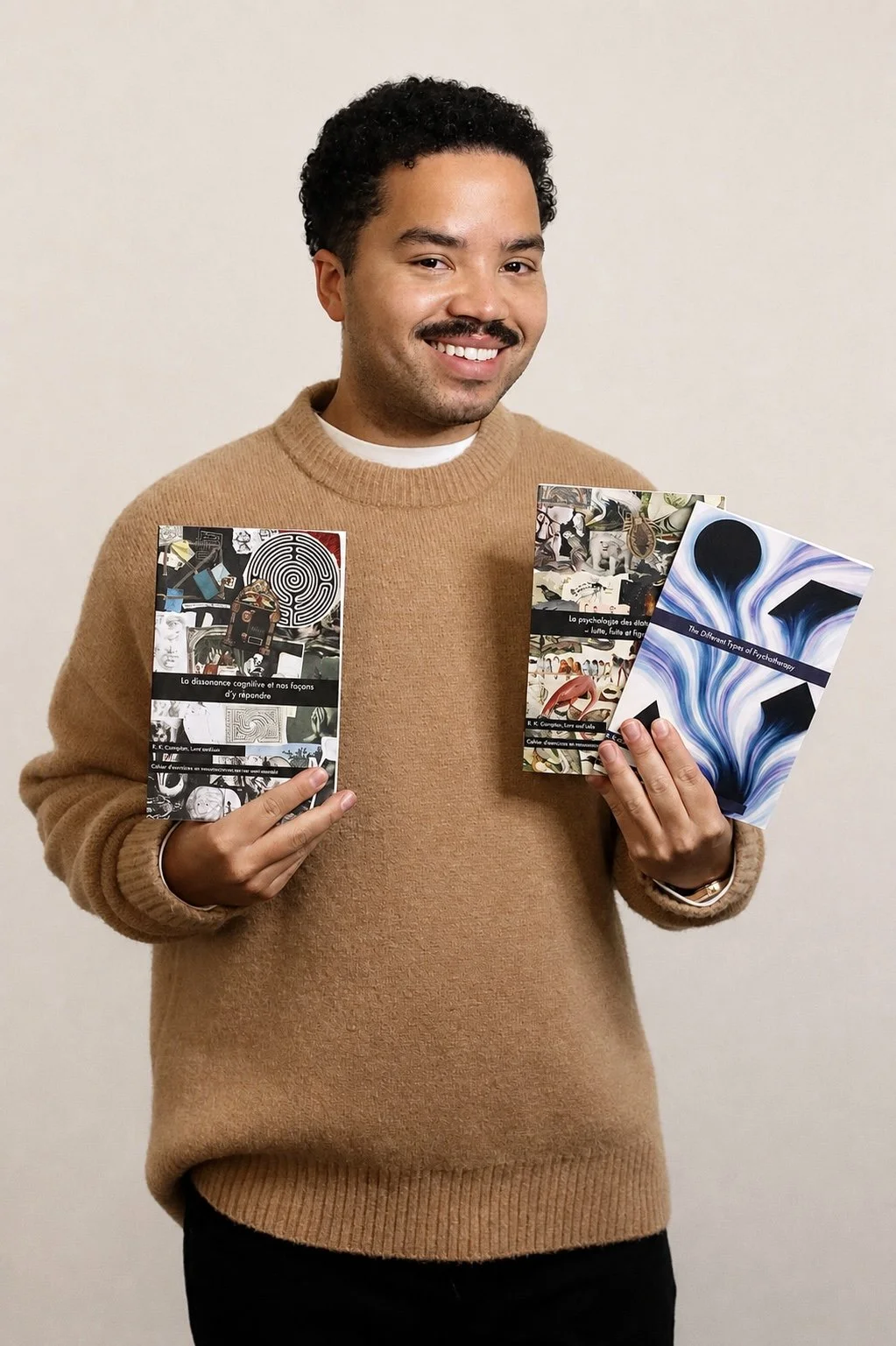
Honoured titles:
Responding to Cognitive Dissonance
The Different Types of Psychotherapy
The Psychology of ‘Fight’, ‘Flight’, and ‘Freeze’
R. K. Compton, MSc. AMRSB.
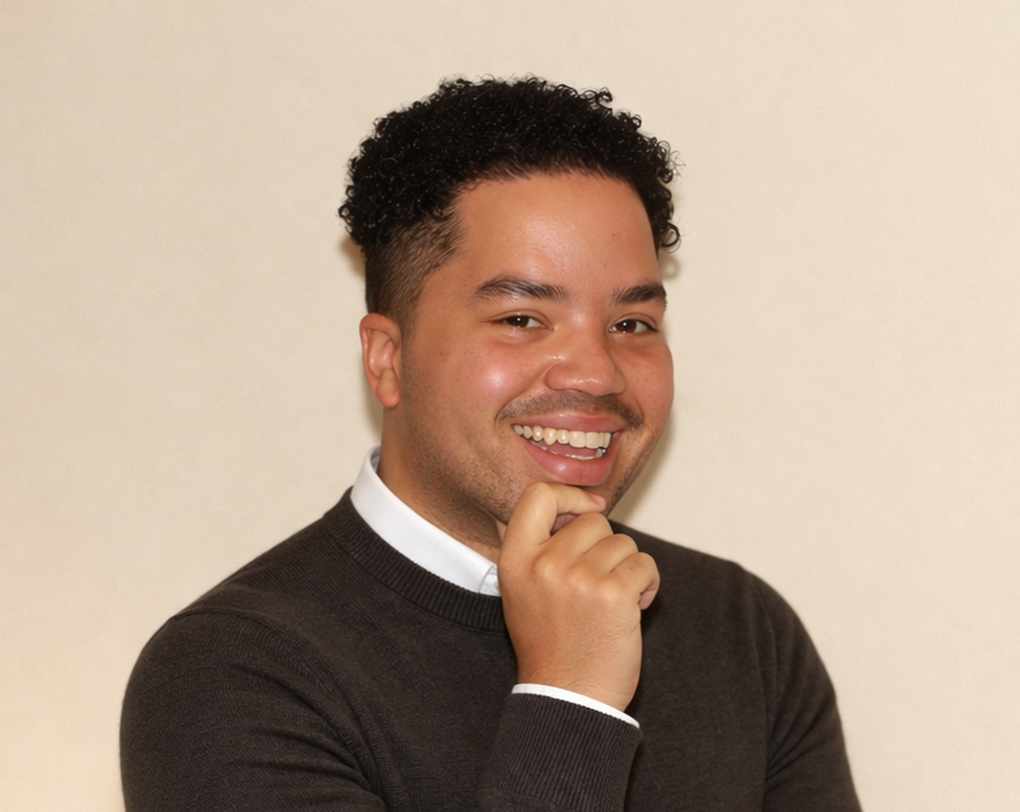
Navigating my 20s as a postgraduate, I wanted to build something that could evolve with me and feed the public’s growing curiosity about neuroscience and self-understanding. That desire gave rise to Lore and Lobe, a realm for the seekers and the curious; a place to understand neuroscience and mental health.
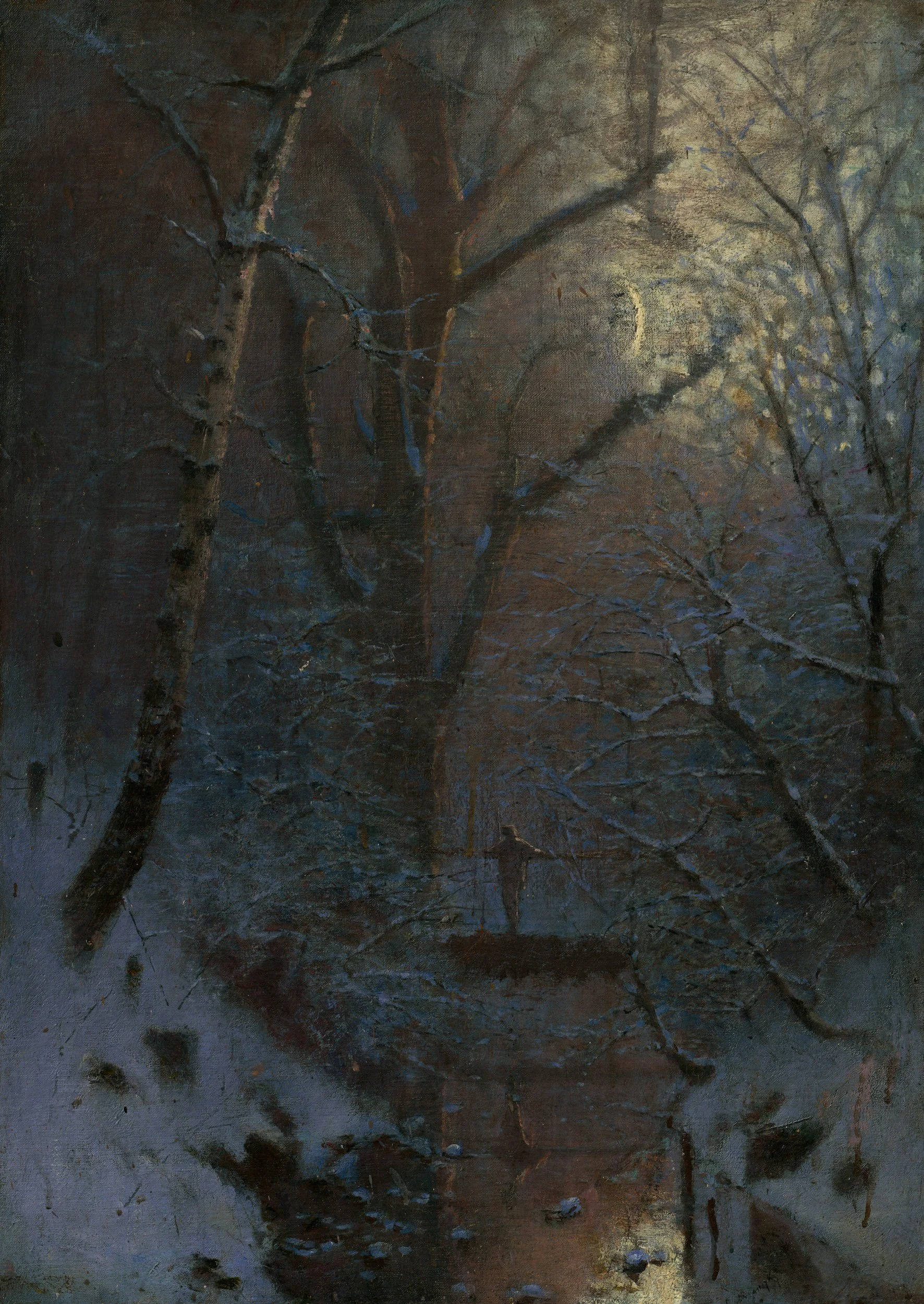
I grew up in London and, at various stages of my life, spent meaningful time in the Democratic Republic of the Congo, Belgium, Québec and the United States. Existing between these places has given me a strong multicultural identity, and I wanted Lore and Lobe to reflect that by serving both the Anglophone and Francophone worlds.

The Lore
Lore is knowledge preserved through story, often wrapped in myth and interpretation. Here, ‘The Lore’ is represented by my podcast.
Each layer of the human brain preserves a story of its own becoming, housed in an organ that seeks to know itself. The Lore and Lobe podcast is where I explore the intersection of neuroscience and evolutionary biology.


The Lobe

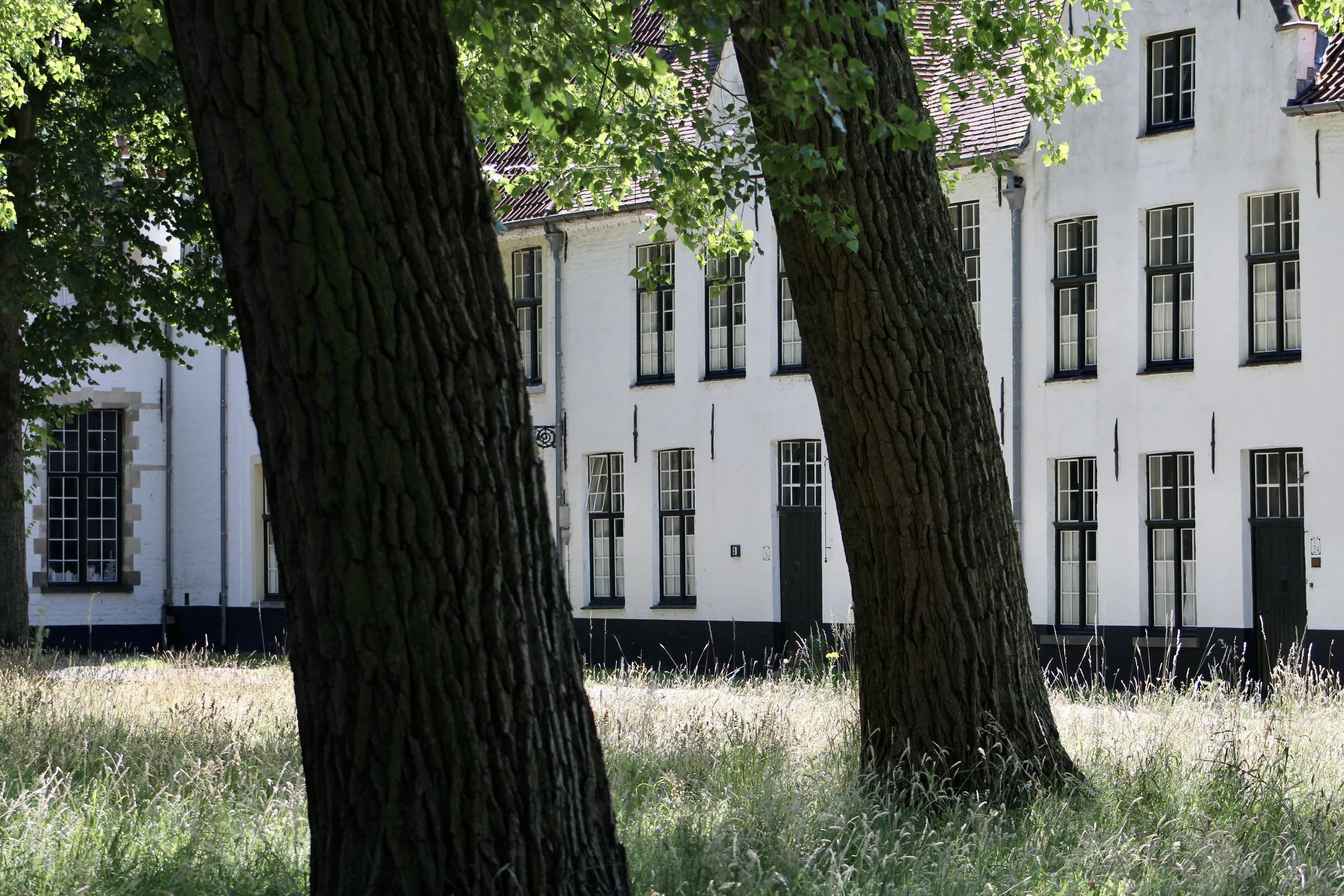
Where Lore is intangible, Lobe is grounded. A lobe is a physical part, a division of the brain responsible for practical functions. Here, ‘The Lobe’ is represented by my educational workbooks.
These books are intended to serve a practical function in your life. The science and mental health tools inside are written to be accessible, comprehensible, and implementable.
Credentials & Experience
-
I completed my Master’s degree in 2021 at King’s College London within the Institute of Psychiatry, Psychology and Neuroscience (IoPPN). My dissertation was undertaken in collaboration with the Sleep Disorders Centre at Guy’s and St Thomas’ Hospital in London, where I worked with vPSG data and contributed to an ongoing study examining parasomnias and REM-sleep dysregulation.During this time, I gained approximately 128 hours of first-hand vPSG research experience.
Dissertation title: Dream Mentation, REM-Sleep Architecture and Movement Phenotypes in iRBD and Narcolepsy Type-1: An Exploratory vPSG Study and Integrative Review with Implications for Prodromal Parkinsonian Synucleinopathy
My dissertation investigated how dream content, REM-sleep architecture, and movement during sleep intersect in Type-1 Narcolepsy and iRBD, two conditions characterised by disrupted REM muscle atonia. REM atonia normally prevents dream enactment, and when it fails, motor enactment of dream content can emerge. Research has implicated REM-circuit breakdown as an early manifestation of synucleinopathy, which underpins the view that iRBD is a strong marker for prodromal Parkinson’s disease and explains much of the research interest in the disorder. Although the two conditions present differently overall, their shared loss of REM atonia makes Narcolepsy Type 1 a valuable comparison group. The project was grounded in three primary hypotheses: first, that specific dream themes would show significant correspondence with particular movement classes during REM sleep; second, that movement patterns in iRBD and Type-1 Narcolepsy would be differentially distributed across REM sub-phases; and third, that the two conditions would demonstrate significantly different profiles of dream mentation and movement phenomenology. The project combined novel empirical work with an integrative literature review due to the COVID-19 pandemic. For the empirical component, I actively assisted with the ongoing vPSG study by constructing sleep-architecture graphs and conducting epoch-based scoring of REM periods and movement events. These graphs allowed for visual inspection of REM stability, fragmentation, and the temporal clustering of movement bursts. REM sub-phase classification (tonic versus phasic) and the alignment of movement types with these phases were carried out by my instructor. My role was to use these prepared datasets to describe the frequency and presentation of different movement classes—twitches, jerks, vocalisations, and complex enactments—within the broader REM structure, and to conduct exploratory descriptive analyses illustrating how these behaviours appeared across the recordings. For the literature review component, I conducted an integrative synthesis of dream mentation and movement phenotypes in Type-1 Narcolepsy and iRBD. Dream reports were analysed thematically, drawing on evidence that motor themes in dreams reflect brainstem motor-pattern activation and that emotional or threat-based dreams involve amygdalar and pontine systems. The review also evaluated the strength of research suggesting that different movement types may represent stages of REM-system deterioration, and that iRBD often shows phasic intrusions into tonic REM. A central aim of the dissertation was to evaluate whether these combined features—dream content, REM-sleep structure, and movement patterns—could plausibly function as early biomarkers for Parkinson’s disease. I was not directly testing this, but instead assessing whether current research supports the idea that these markers track disease duration or reflect identifiable stages of REM-circuit degradation. The broader implication is that, if REM-circuit breakdown reliably precedes Parkinson’s disease, and if dream–movement patterns map onto this progression, such measures could one day contribute to decades-early detection in individuals with iRBD or Type-1 Narcolepsy.
During my Master’s, I also completed a one-month clinical observership at King’s College Hospital, gaining approximately 160 hours of clinical experience. I administered psychometric assessments, including the ACE-III, MoCA and FAB, and supported clinicians in conducting psychiatric assessments with neuropsychiatric patients.
-
I completed my Bachelor’s degree in 2020 at the University of Birmingham, where I focused on evolutionary neuroscience and comparative neurobiology. My dissertation was undertaken in collaboration with the Centre for Human Brain Health (CHBH), where I conducted an EEG study examining how alpha-band activity supports attentional allocation under divided-task conditions and how these patterns differ in individuals with elevated autistic traits. During this time, I gained 96 hours of EEG-study experience at the Centre for Human Brain Health.
Dissertation title: Alpha Oscillations During Visual and Audiovisual Divided-Attention Tasks: An EEG Study Including Autistic Trait Variation
Using EEG, I examined changes in alpha oscillations as participants focused on a visual target while ignoring competing visual or audiovisual distractors. The central hypothesis proposed that alpha power would decrease during divided-attention tasks compared to single-task conditions, with a further decrease expected when auditory distractors were introduced. This hypothesis was based on the broader observation that managing multiple stimuli simultaneously places greater demands on attention, and alpha power typically decreases as attentional load increases. This change is particularly pronounced when distractions intensify or become cross-modal. A secondary hypothesis was that participants scoring above the threshold on the AQ-10 would exhibit a smaller decrease in alpha power during divided-attention tasks, consistent with literature suggesting that elevated autistic traits are associated with reduced alpha suppression under high cognitive load. Overall, the project explored how alpha rhythms reflect attentional demand, cross-modal interference, and sensory filtering across varying levels of autistic traits.
The study utilised a within-subjects EEG design, where participants completed single-task, divided visual-task, and divided audiovisual-task conditions. EEG data were recorded continuously and segmented into epochs. I applied electrodes to participants’ scalps, monitored signal quality throughout the recording, and marked task events during data collection. My dissertation tutor processed the recordings by filtering the data, isolating the alpha band (8–12 Hz), and calculating alpha-power values for each condition, which formed the basis of the statistical analysis. To test the central hypothesis, I compared alpha power across the three task conditions using repeated-measures ANOVA. Participants were also grouped according to AQ-10 threshold scores, and the instructor calculated an alpha-suppression index. Using this index, I conducted an independent t-test to assess the secondary hypothesis. Behavioural accuracy was recorded for each condition and matched with the EEG values to examine how neural engagement related to task performance.
-
I completed my postgraduate certificate in 2023 as part of my training to become a Psychological Wellbeing Practitioner (PWP). This programme is recognised by the British Psychological Society (BPS) and the British Association for Behavioural and Cognitive Psychotherapies (BABCP), and is aligned with the NHS national curriculum.
The training focused on assessing and managing mild to moderate presentations of generalised anxiety, panic disorder, specific phobias, and clinical depression, with core training in Cognitive Behavioural Therapy (CBT) and guided self-help approaches.
Alongside Level 7 academic study, I completed 12 months of full-time work as a trainee PWP. This training included approximately 255 hours of supervised client-facing practice, delivering assessments and low-intensity CBT interventions within an NHS Talking Therapies service, and integrating theory with direct client work. Additionally, it included approximately 100 hours of case management and clinical skills supervision.
-
Level 4 Diploma in Counselling (Advanced Counselling), NCC Home Learning — a comprehensive 240-hour course awarded by QAUK.
APT Level 3 Accreditation in Cognitive Behavioural Therapy (CBT), delivered by an APA-approved Continuing Education provider.
APT Level 3 Accreditation in Acceptance and Commitment Therapy (ACT), delivered by an APA-approved Continuing Education provider.
APT Level 1 Accreditation in Dialectical Behavioural Therapy (DBT), delivered by an APA-approved Continuing Education provider.
MoCA Cognitive Assessment Certificate
-
Clinical and Therapeutic Experience:
I have worked across multiple NHS Talking Therapies services as a trainee, qualified, and locum Psychological Wellbeing Practitioner, delivering care both in person and remotely. In these roles, I consistently supported 25–35 clients each week and accrued over 1,000 hours of clinical practice, regularly exceeding NHS recovery benchmarks.
My therapeutic practice as a PWP was centred on delivering computerised and low-intensity CBT interventions for a wide range of mental health conditions. These conditions included OCD, generalised anxiety, depression, panic disorder, and specific phobias. I worked with both English-speaking clients and those requiring interpreters, tailoring interventions to each client’s language needs. When necessary, I collaborated with interpreters to translate resources. My treatment approach incorporated cognitive restructuring, worry management, graded exposure, behavioural activation, sleep hygiene, and psychoeducation, all in accordance with NICE guidance. My assessment experience focused on understanding clients’ presentations and determining the most appropriate care pathway within the NHS Talking Therapies model. I carried out assessments for both screened clients with common mental health difficulties and unscreened clients whose suitability needed to be established. Each assessment aimed to clarify and define vague or undefined experiences of distress into something coherent and clinically meaningful. I did not make a formal diagnosis. I am experienced in assessing a broad spectrum of presentations, including depression, bereavement, generalised anxiety, panic, OCD, phobias, PTSD, health anxiety, and bipolar disorder. Following the assessment, I identified the most appropriate outcome. These outcomes included referral to alternative services such as CMHT, stepping up to high-intensity therapy pathways, bringing complex cases to supervision, or retaining clients for low-intensity management as needed.
A key aspect of my approach was considering the broader socioeconomic and contextual factors that influence mental health. I assessed issues related to long-term health conditions, neurodivergence, disability, maternal mental health, financial or housing instability, caring responsibilities, and employment pressures. I would integrate these factors into treatment planning or referring clients as their circumstances changed. Risk assessment and safeguarding were central to my role. I routinely assessed suicidality and self-harm, monitored risk throughout treatment, and responded in line with service protocols. I also addressed broader safeguarding concerns, including domestic abuse, substance use, and social care involvement. I was responsible for escalating issues through clinical or safeguarding pathways when necessary. In addition to my clinical work, I managed a full caseload, maintained timely and accurate records, communicated with GPs and partner services, and ensured the smooth delivery of stepped care. I consistently met service expectations in terms of outcomes and clinical quality. I, of course, participated in regular case management and clinical supervision.
Teaching and Educational Support Experience:
I have over three years of experience working as a Special Educational Needs and Disability (SEND) Tutor. I've provided tailored academic support to young people aged 12 to 18 across online, home-based, and school settings. Over this time, I have delivered more than 480 hours of teaching in subjects including science, maths, English, French, and religious studies. Most of my work focused on supporting students with additional learning needs. I have taught learners with autism, ADHD, social anxiety, challenging behaviour, disrupted family environments, bereavement, and trauma histories.
I routinely adapted lesson structure, pacing, and expectations to accommodate the students' unique needs. I also supported students returning to education after long absences. I often took the initiative to point out when traditional GCSE or A-level pathways were unsuitable. From there, I would guide the students’ guardians towards alternative routes, such as Functional Skills, when appropriate. This role required careful judgement in balancing academic expectations with each student’s wellbeing, capacity, and long-term progression. A key aspect of my work was helping families establish realistic and developmentally appropriate expectations. These expectations guided families toward understanding what was genuinely achievable for the young person. Collaboration with families, carers, schools, and local councils was central to my role. I developed experience navigating the foster system, liaising with social workers, and contributing to Education, Health, and Care Plans (EHCP). Beyond teaching, I wrote academic reports, coordinated exams, and advised on curriculum decisions to support each student’s long-term educational stability.
-
British Neuroscience Association (BNA) — Professional (Industry)
Royal Society of Biology (RSB) — Associate Member
Federation of European Neuroscience Societies (FENS) — Member
Accredited Counsellors, Coaches, Psychotherapists and Hypnotherapists (ACCPH) — Senior Member
British Association of Behavioural and Cognitive Psychotherapy (BABCP) — Previously Individual Member
European Mentoring and Coaching Council (EMCC) — Affiliate
-
2026 International Impact Book Awards, 1x Winner Award.
Psychology — The Psychology of 'Fight', 'Flight', and 'Freeze'
2026 Story Trade Book Awards, 3x Finalist Awards.
Science — The Psychology of 'Fight', 'Flight', and 'Freeze'
Science — Responding to Cognitive Dissonance
Self-Help/Motivational — Responding to Cognitive Dissonance
2026 San Francisco Book Festival, 5x Finalist Awards.
How-To — The Different Types of Psychotherapy
How-To — Responding to Cognitive Dissonance
Self-Help — Responding to Cognitive Dissonance
General Nonfiction — Responding to Cognitive Dissonance
General Nonfiction — The Psychology of 'Fight', 'Flight', and 'Freeze'
2026 New York Book Festival, 4x Honourable Mentions.
How-To — Starting and Ending Therapy Bundle
Self-Help — Responding to Cognitive Dissonance
General Nonfiction — Responding to Cognitive Dissonance
General Nonfiction — The Psychology of 'Fight', 'Flight', and 'Freeze'
Let’s work together

Drop me a message and I’ll get back to you as soon as I can.