
Help! My amygdala thinks ghosting is
a natural disaster.
Discover this Award-Winning Nonfiction Book
This title received the ‘General Nonfiction’ finalist award at the 2026 San Francisco Book Festival 🏆
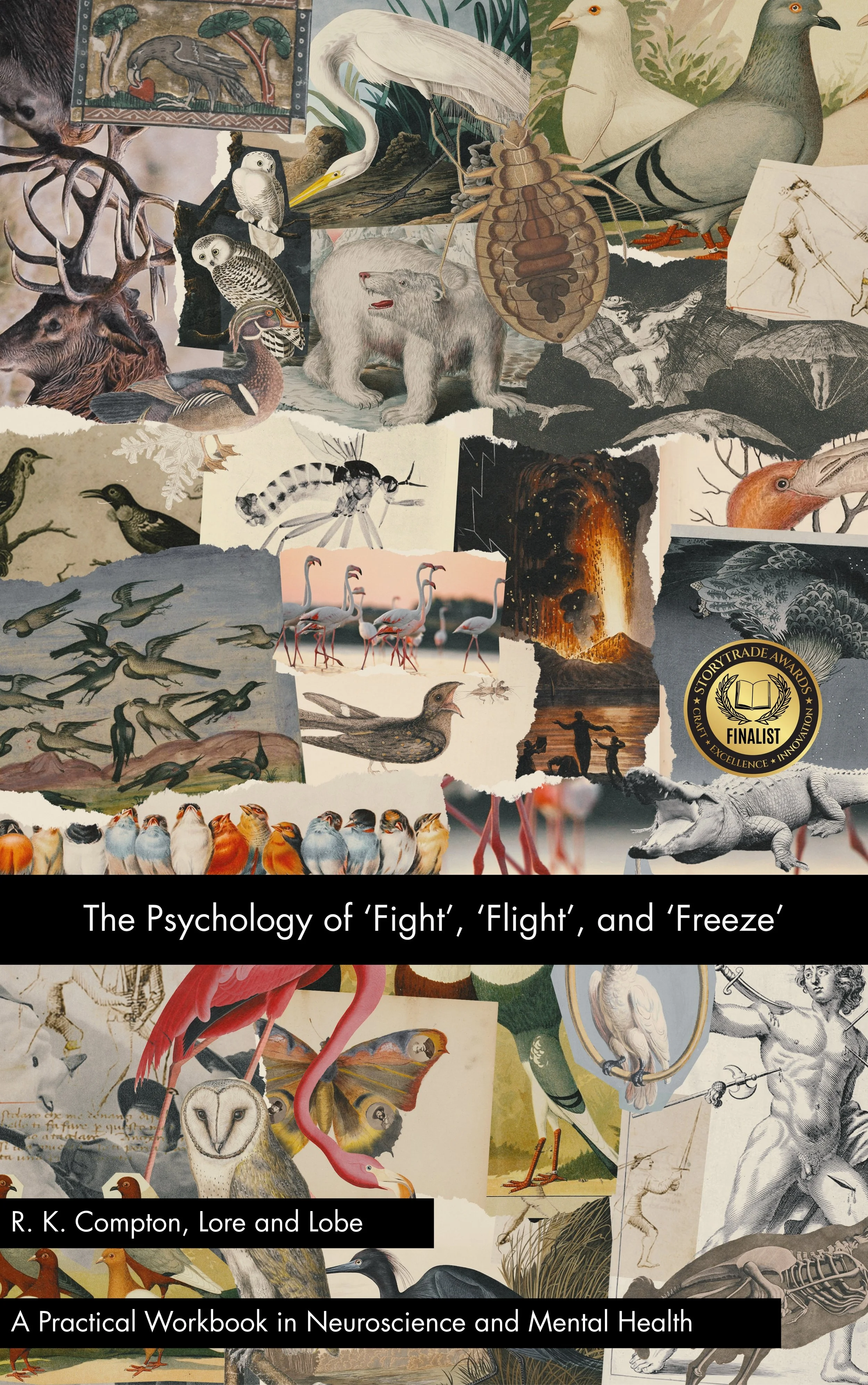
The Psychology of ‘Fight’, ‘Flight’, and ‘Freeze’.
By R. K. Compton
The Psychology of ‘Fight’, ‘Flight’, and ‘Freeze’ received a finalist award at the 2026 San Francisco Book Festival in the General Nonfiction category.
The fight-or-flight response is such a classic; they’re like the ‘Bonnie and Clyde’ of biology. Most of us learned about Fight or Flight in school, but what about their lesser-known bandmate, Freeze? You know, Freeze is still part of the lineup, and I know he seems cool, but trust me—just as problematic. If I told you that each of these responses is a felt experience you can become trapped in, how might that change the way you think about your mental health? For many of us, thinking about our mental health through the lens of survival states resonates more than the diagnostic language of the DSM-5. The former allows us to feel embodied in ways we might not otherwise. But is something lost when we depart from the rigorous evidence base of the medical model of mental illness, and start narrating our experiences with Polyvagal-informed language?
This workbook serves as a practical and educational guide to understanding survival states and regulation. It addresses the brain’s ongoing question of safety and explores why we get ‘trapped’ in survival mode. The workbook bridges the gap between the neurophysiology of survival states and their felt experiences in clear, accessible terms. Along the way, you’ll also learn practical ways to achieve regulation in everyday life. You’ll also find reflective questions throughout that help you engage with the material. While a central theme of this workbook is an analysis of Polyvagal theory and our use of language, it is ultimately concerned with supporting your wellbeing rather than policing how you talk about your experience.
Digital copy sold exclusively on Amazon.
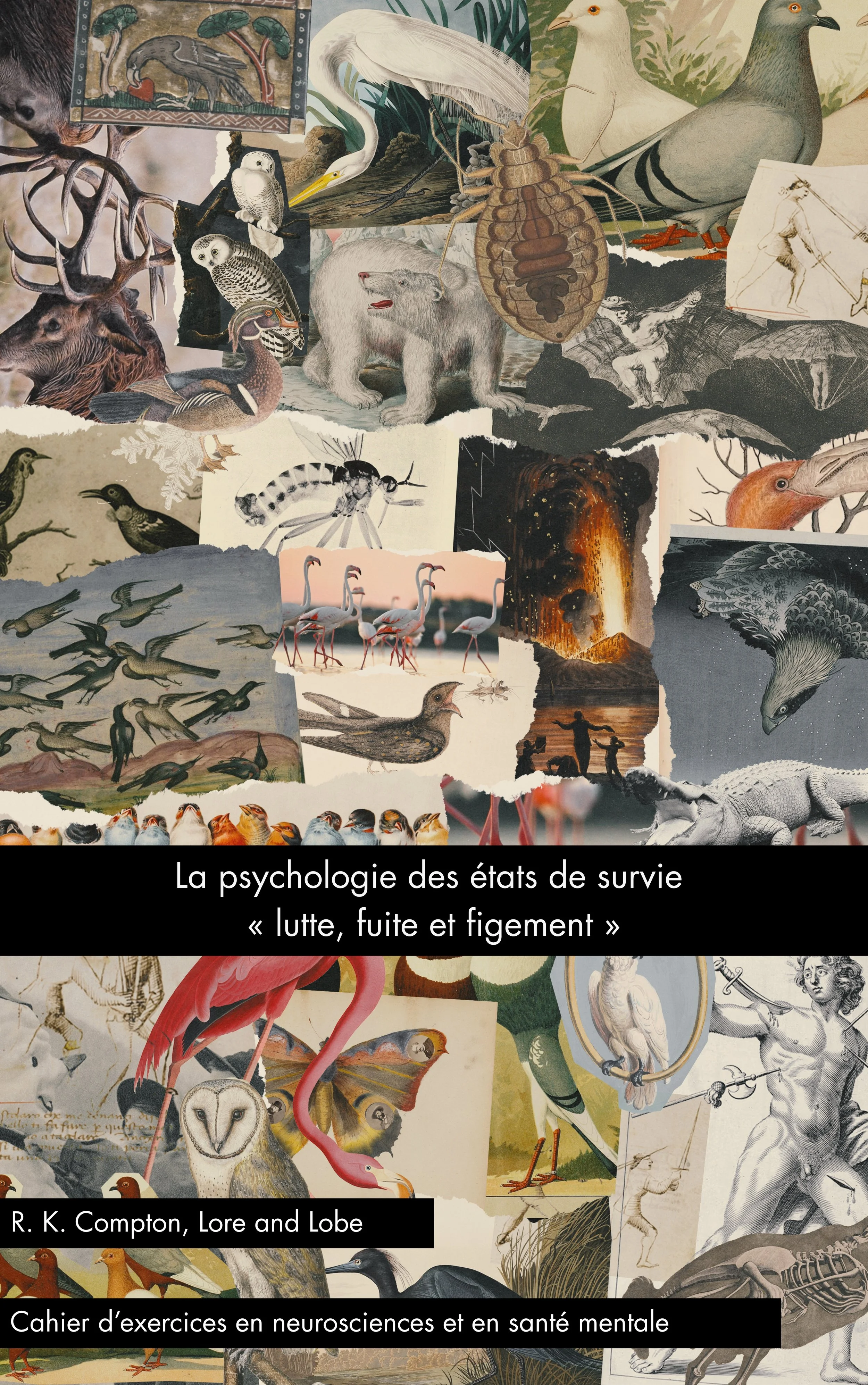
French front cover
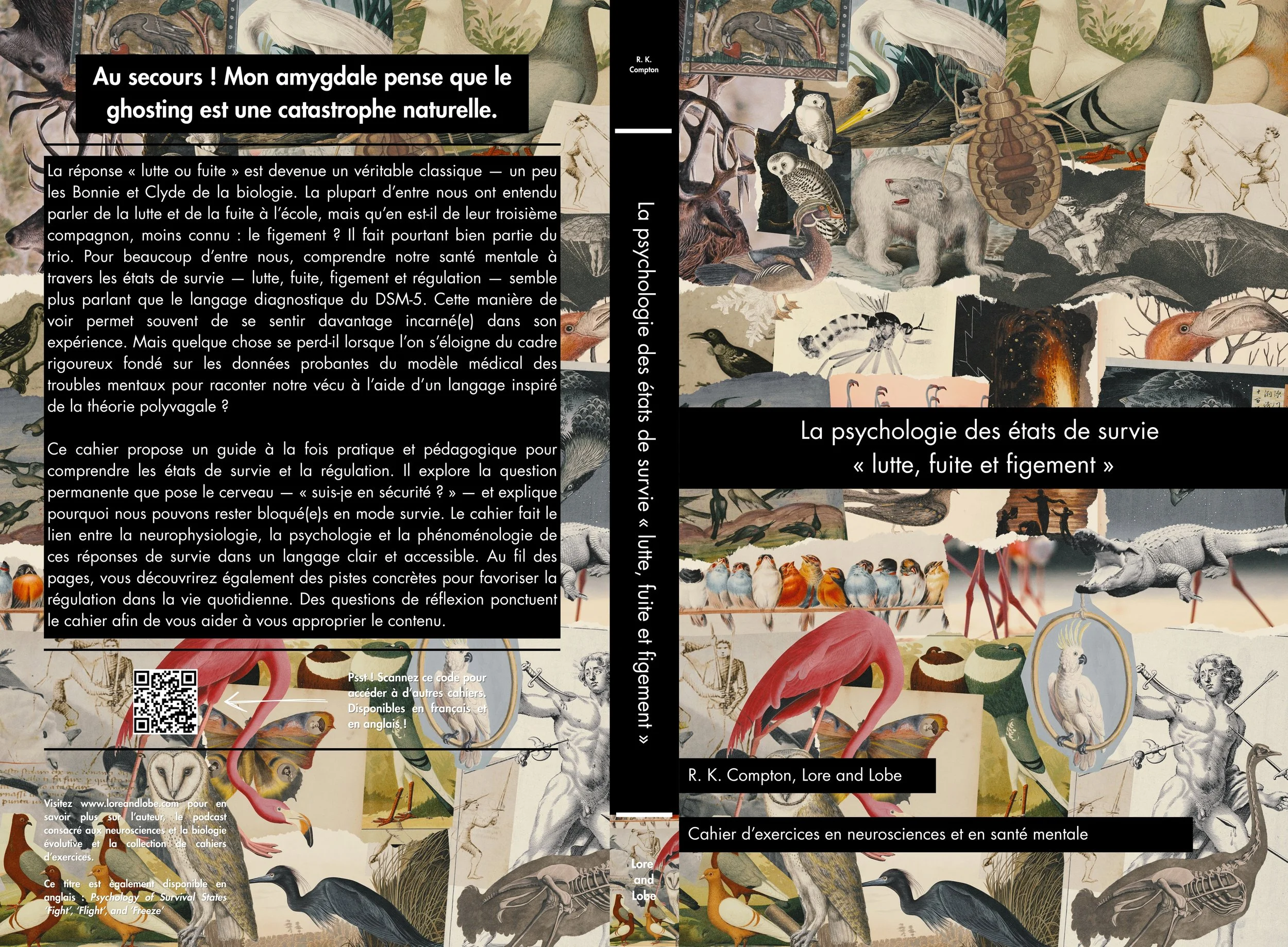
French full cover (paperback)
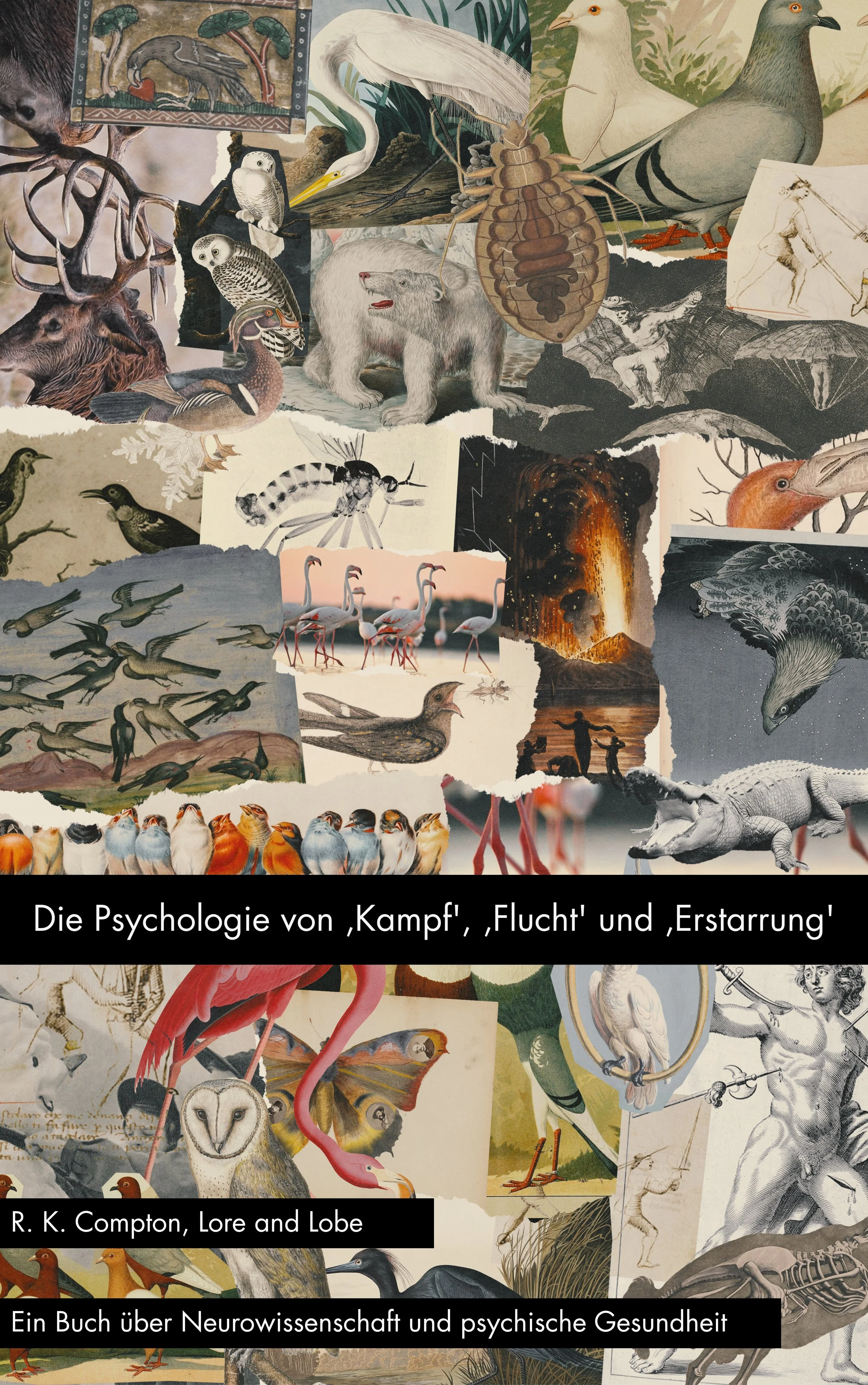
German front cover
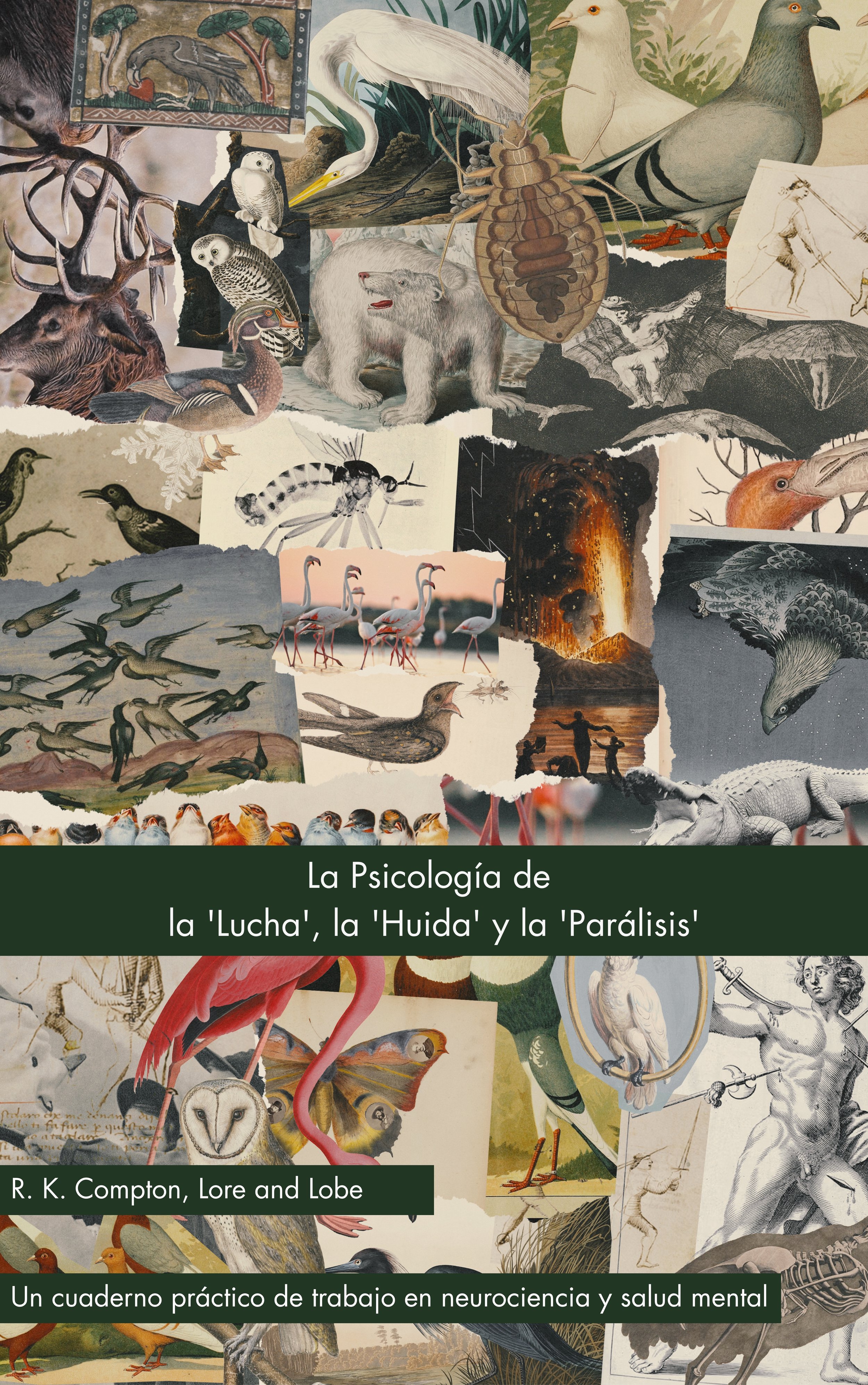
Spanish front cover
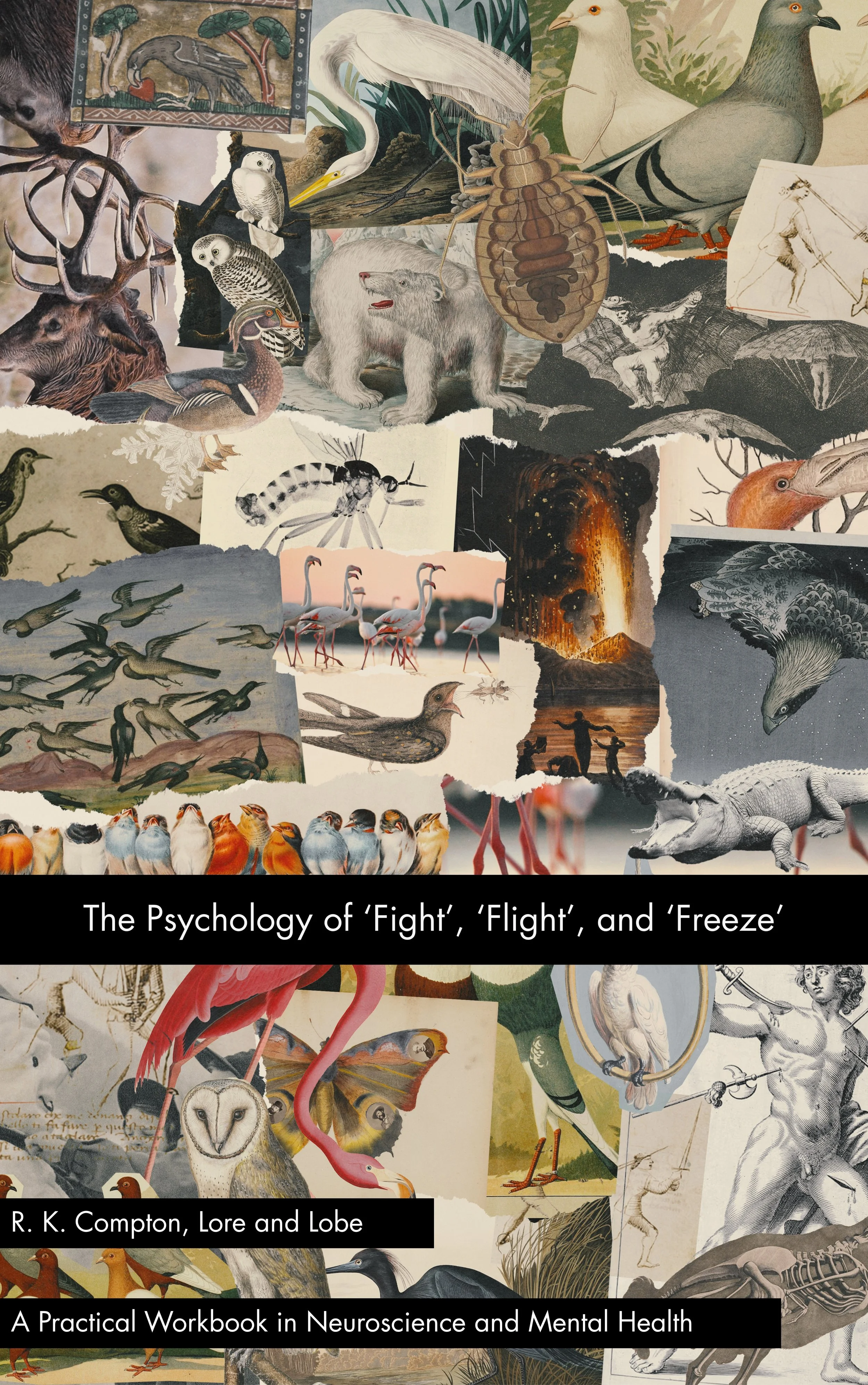
English front cover
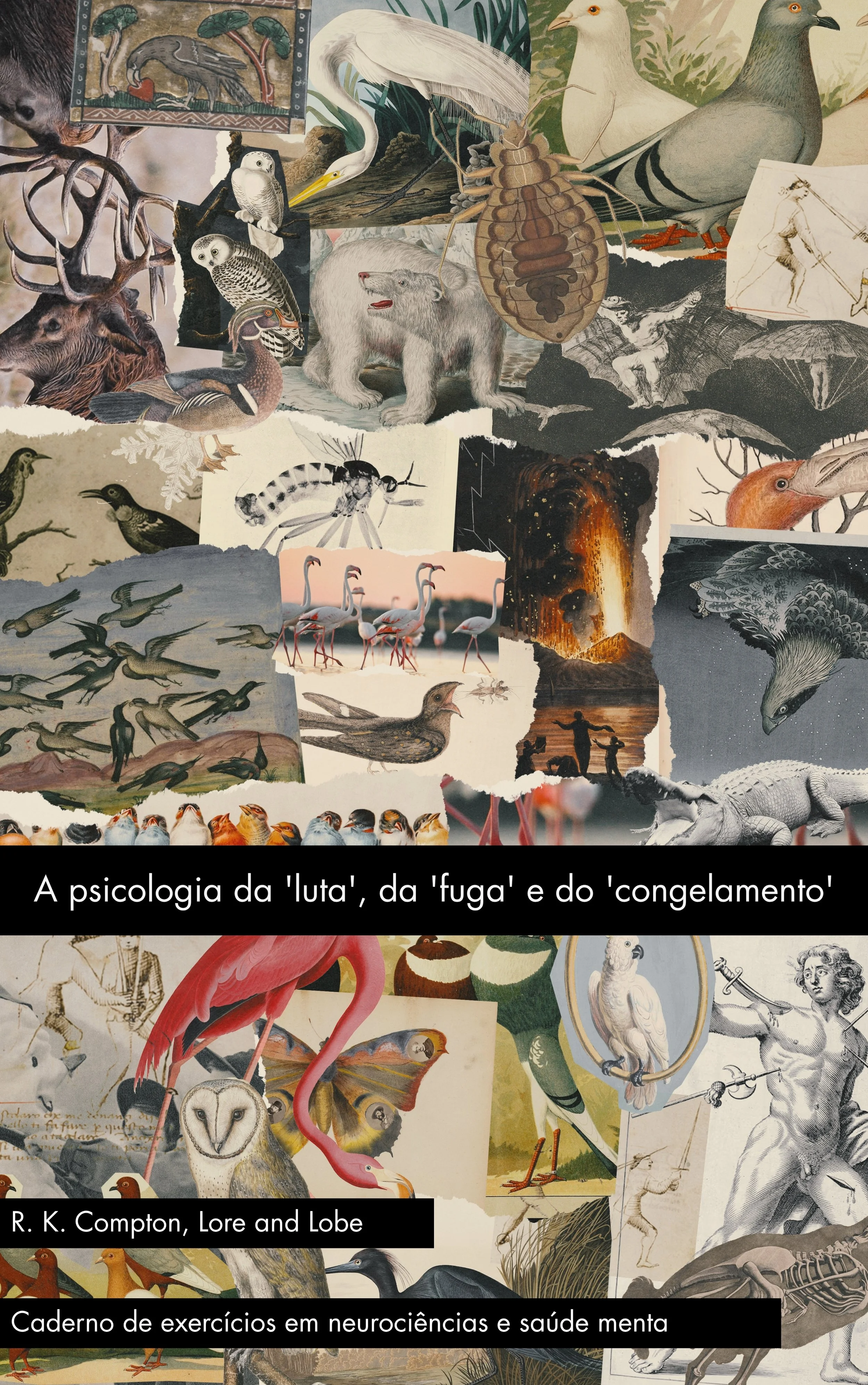
Portuguese version
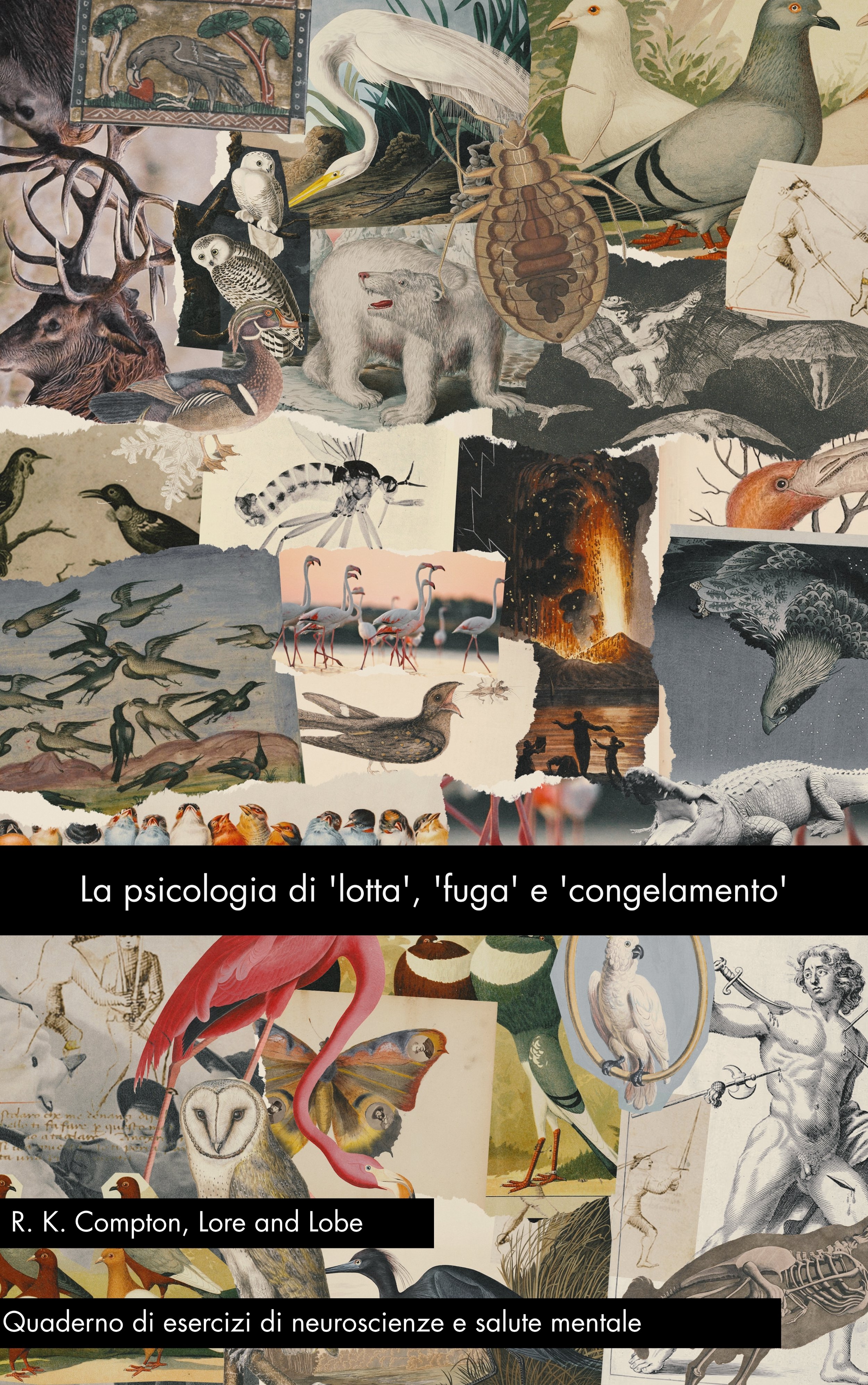
Italian version
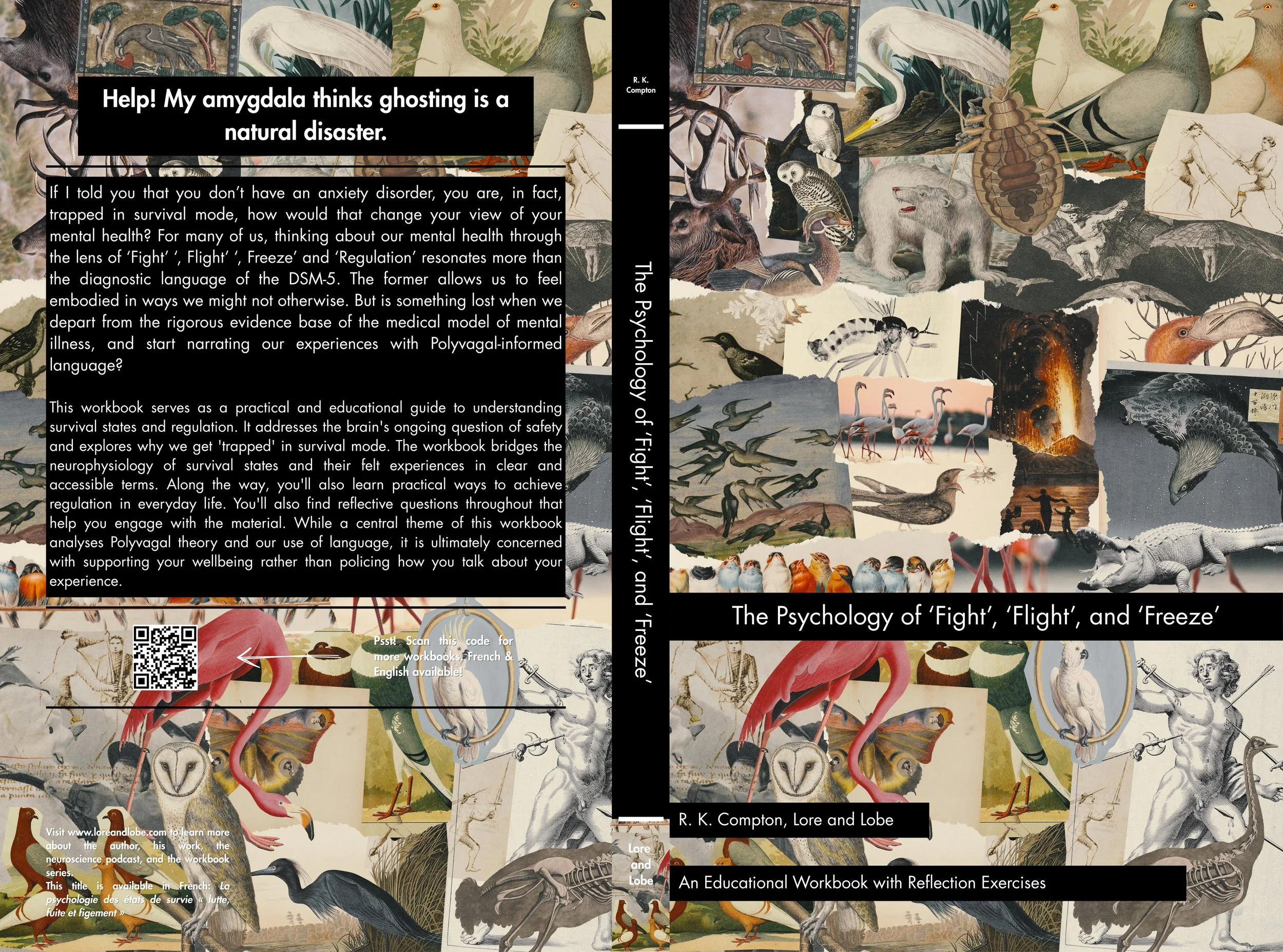
English full cover (paperback)